


| |
|
|
|


Disobedience is a new film about a new phase of the climate movement: courageous action that is being taken on the front lines of the climate crisis on every continent, led by regular people fed up with the power and pollution of the fossil fuel industry.Screenings are being planned across the globe starting on April 30 to support ongoing organizing to defeat the fossil fuel industry. |


|
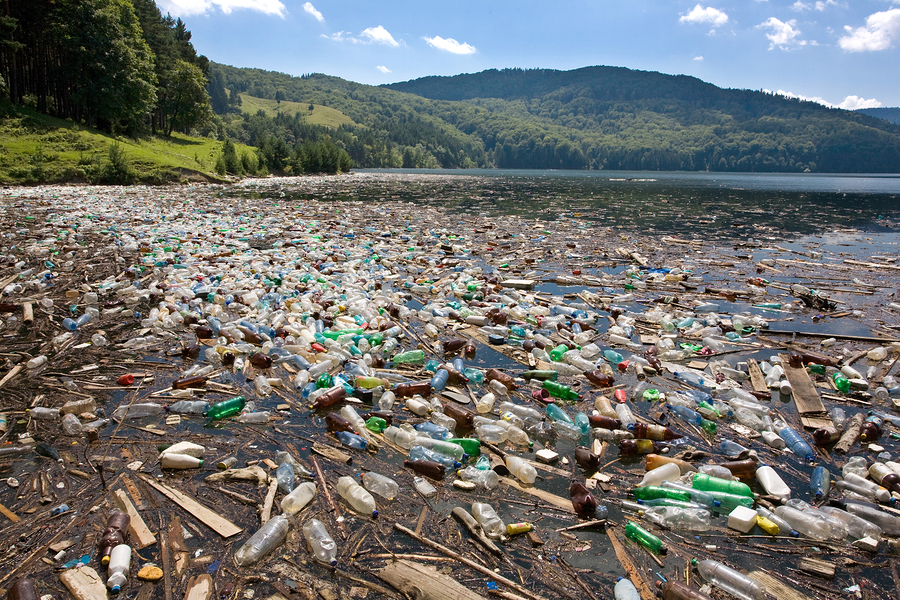
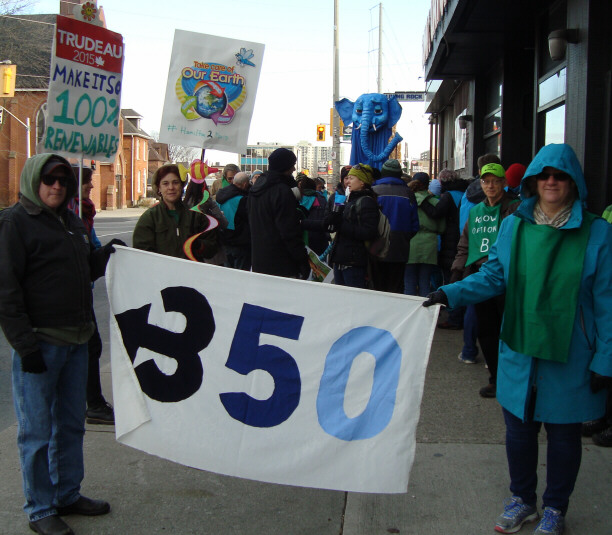
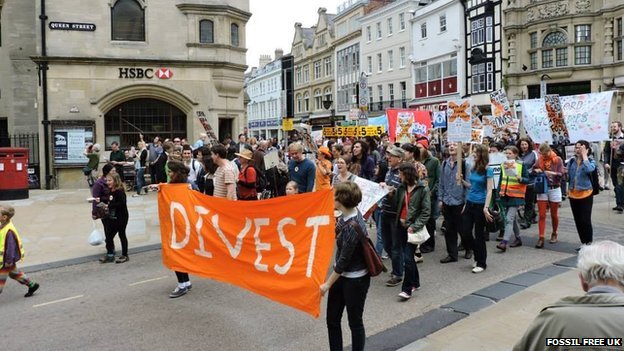
Opposition to new fossil fuel infrastructure has spread throughout the world in recent years, as have an impressive array of practical, grassroots alternatives to business as usual. The 350.org network and its global allies are now planning a worldwide mobilization against the fossil fuel industry for May of 2016. It will be preceded by countless local and regional rallies, marches, and direct actions, culminating in a unified focus on the world’s most destructive sites of fossil fuel extraction. Perhaps if enough people are in the streets to say no to continued fossil fuel dependence and yes to community-centered alternatives, grassroots pressure can succeed where diplomacy continues to fall short. - Brian Tokar, CounterPunch.org |


| Date | Location | Derailment | |
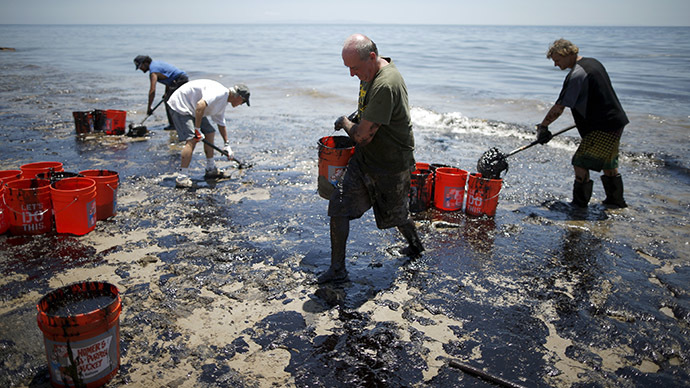
| 2015 Mar 22 | Hudson, Colorado | BNSF 120-car transporting coal | |
| 2015 Mar 22 | Wetaskiwin, Alberta | CP train, 20-30 cars transporting potash | |
| 2015 Mar 11 | Gregg, Manitoba | CN train 13 cars carrying refinery cracking stock | |
| 2015 Mar 07 | Gogama, Ontario | CN train 38 cars carrying crude oil, fiery crash | |
| 2015 Mar 05 | Galena, Illinois | BNSF 105-car train transporting Bakken crude oil, 2 cars on fire | |
| 2015 Feb 16 | Boomer, West Virginia | CSX train of 100 crude oil tankers, 20 cars on fire | |
| 2015 Feb 14 | Timmins, Ontario | CN 29 of 100 crude oil tankers | |
| 2014 Dec 26 | Banff, Alberta | CP 15 cars | |
| 2013 Jul 06 | Lac-Mégantic, Quebec | MMA 74-car freight train carrying Bakken crude oil. 47 persons killed | |

|
2014 Nov 02 Today marks the release of an important document in the climate science world. At 10 am this morning, the group of experts tasked by the United Nations with assessing the state of the climate released a major report on how and why it is changing, as well as what we can do about it. Covering everything from declining sea ice to harnessing energy from the wind, the 100-page document has been hailed as an essential "handbook" on climate change. It connects the dots between three reports released by the Intergovernmental Panel on Climate Change (IPCC) over the past year, each looking at a different aspect of climate change. Totting up the risks Greenhouse gas emissions from humans are the highest in history, the first in the series of reports told us last year. Greenhouse gases trap heat in the atmosphere. Carbon dioxide and other greenhouse gases are released when we burn fossil fuels like coal, oil and gas. As a result the oceans, land and atmosphere are warming, snow and ice cover is melting, our weather is getting more extreme and sea levels are rising. The second report looked at how climate change is contributing to problems like flooding, disruption to farming, food and water shortages, and species migration and extinction. But humans can act to limit climate change. The third IPCC report looked at how we can avoid the worst impacts of climate change by curbing emissions from the way we get energy. We can also make society more resilient by building flood defences and safeguarding food and water supplies, for example. That means when climate change impacts do hit, we're better prepared. Connecting the dots Today's Synthesis Report tells a concise story, drawing on all three reports. It says that if governments work to cut emissions and adapt to new conditions, we can still keep the risks of climate change low. Beyond two degrees of warming, the risks posed by climate change are too high and it's unlikely we could deal with the consequences, nations have collectively agreed. With the right policies we can prevent dangerous climate change, allow ecosystems to adapt, and ensure countries can develop sustainably, all at the same time, the IPCC concludes. On the other hand, the slower we take action, the harder it will be and the more expensive it will get. Not acting now puts a very heavy burden on future generations, the report says. The report makes it clear that climate change is a collective problem. Because climate change affects everyone, nations must cooperate to limit it. It will only be possible to limit the extent of climate change if nations work together. The IPCC is an advisory body - it doesn't tell the world's leaders what to do. But today's report is the clearest guide yet from scientists about why we need to keep climate risks in check. Roz Pidcock - Carbon Brief IPCC Fifth Assessment Report AR5 (website) |
|
Post by Neil Young. |
| Protect the wild, tomorrow's child Protect the land from the greed of man Take down the dams, stand up to oil Protect the plants, and renew the soil Who's gonna stand up and save the earth? Ban fossil fuel, draw the line Who's gonna stand up and save the earth? Damn the dams, save the rivers Who's gonna stand up and save the earth? |

| Forget everything you think you know about global warming. The really
inconvenient truth is that it's not about carbon-it's about capitalism.
The convenient truth is that we can seize this existential crisis to transform
our failed system and build something radically better. In her most provocative
book yet, Naomi Klein, author of the global bestsellers The
Shock Doctrine and No Logo, tackles the most profound
threat humanity has ever faced: the war our economic model is waging against
life on earth.
Klein exposes the myths that are clouding the climate debate. We have been told the market will save us, when in fact the addiction to profit and growth is digging us in deeper every day. We have been told it's impossible to get off fossil fuels when in fact we know exactly how to do it-it just requires breaking every rule in the "free-market" playbook: reining in corporate power, rebuilding local economies and reclaiming our democracies. We have also been told that humanity is too greedy and selfish to rise to this challenge. In fact, all around the world, the fight back is already succeeding in ways both surprising and inspiring. Climate change, Klein argues, is a civilizational wake-up call, a powerful message delivered in the language of fires, floods, storms and droughts. Confronting it is no longer about changing the light bulbs. It's about changing the world-before the world changes so drastically that no one is safe. Either we leap-or we sink. Once a decade, Naomi Klein writes a book that redefines its era. No Logo did so for globalization. The Shock Doctrine changed the way we think about austerity. This Changes Everything is about to upend the debate about the stormy era already upon us. |

| In this haunting, provocative work of science-based fiction, Naomi Oreskes and Eric M. Conway imagine a world devastated by climate change. Dramatizing the science in ways traditional nonfiction cannot, the book reasserts the importance of scientists and the work they do and reveals the self-serving interests of the so called “carbon combustion complex” that have turned the practice of science into political fodder. Based on sound scholarship and yet unafraid to speak boldly, this book provides a welcome moment of clarity amid the cacophony of climate change literature. |
 |
 |
 |
Contact us by email: info@hamilton350.org
02016.05.16